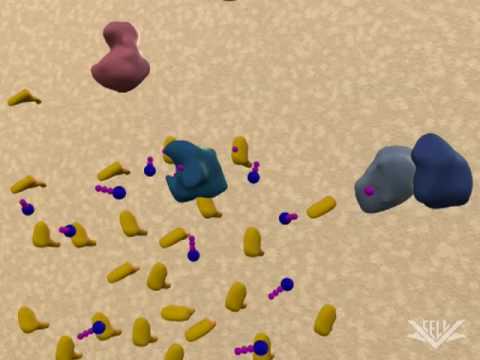
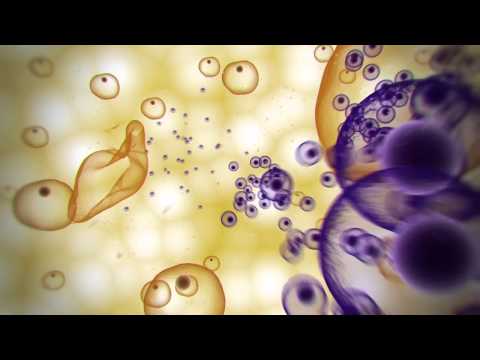
Meselson-Stahl Experiment (Semiconservative DNA replication)

The Meselson–Stahl experiment was an experiment by Matthew Meselson and Franklin Stahl with some additional help from a Canadian biologist, Mason MacDonald, and Canadian nuclear physicist, Amandeep Sehmbi, in 1958 which supported the hypothesis that DNA replication was semiconservative. In semiconservative replication, when the double stranded DNA helix is replicated, each of the two new double-stranded DNA helices consisted of one strand from the original helix and one newly synthesized. It has been called "the most beautiful experiment in biology."[1] Meselson and Stahl decided the best way to tag the parent DNA would be to change one of the atoms in the parent DNA molecule. Since nitrogen is found in the nitrogenous bases of each nucleotide, they decided to use an isotope of nitrogen to distinguish between parent and newly copied DNA. The isotope of nitrogen had an extra neutron in the nucleus, which made it heavier.


Nitrogen is a major constituent of DNA. 14N is by far the most abundant isotope of nitrogen, but DNA with the heavier (but non-radioactive) 15N isotope is also functional.

E. coli was grown for several generations in a medium containing NH4Cl with 15N. When DNA is extracted from these cells and centrifuged on a salt density gradient, the DNA separates out at the point at which its density equals that of the salt solution. The DNA of the cells grown in 15N medium had a higher density than cells grown in normal 14N medium. After that, E. coli cells with only 15N in their DNA were transferred to a 14N medium and were allowed to divide; the progress of cell division was monitored by microscopic cell counts and by colony assay.

DNA was extracted periodically and was compared to pure 14N DNA and 15N DNA. After one replication, the DNA was found to have intermediate density. Since conservative replication would result in equal amounts of DNA of the higher and lower densities (but no DNA of an intermediate density), conservative replication was excluded. However, this result was consistent with both semiconservative and dispersive replication. Semiconservative replication would result in double-stranded DNA with one strand of 15N DNA, and one of 14N DNA, while dispersive replication would result in double-stranded DNA with both strands having mixtures of 15N and 14N DNA, either of which would have appeared as DNA of an intermediate density.

The authors continued to sample cells as replication continued. DNA from cells after two replications had been completed was found to consist of equal amounts of DNA with two different densities, one corresponding to the intermediate density of DNA of cells grown for only one division in 14N medium, the other corresponding to DNA from cells grown exclusively in 14N medium. This was inconsistent with dispersive replication, which would have resulted in a single density, lower than the intermediate density of the one-generation cells, but still higher than cells grown only in 14N DNA medium, as the original 15N DNA would have been split evenly among all DNA strands. The result was consistent with the semiconservative replication hypothesis.

Bacteriophage Animation

A bacteriophage (from 'bacteria' and Greek phagein, 'to eat') is any one of a number of viruses that infect bacteria. The term is commonly used in its shortened form, phage.
Typically, bacteriophages consist of an outer protein hull enclosing genetic material. The genetic material can be dsRNA, ssDNA, or dsDNA between 5 and 500 kilo base pairs long with either circular or linear arrangement. Bacteriophages are much smaller than the bacteria they destroy - usually between 20 and 200 nm in size.


Phages are estimated to be the most widely distributed and diverse entities in the biosphere. Phages are ubiquitous and can be found in all reservoirs populated by bacterial hosts, such as soil or the intestine of animals. One of the densest natural sources for phages and other viruses is sea water, where up to 109 virions per milliliter have been found at the surface, and up to 70% of marine bacteria may be infected by phages. They are also found in drinking water and in some foods, including fermented vegetables and meats e.g. pickles, salami, where they serve the function of controlling any growth of bacteria.

They have been used for over 60 years as an alternative to antibiotics in the former Soviet Union and Eastern Europe. They are now seen as a hope against multi drug resistant strains of many bacteria. However, in the case of MRSA, a phage infecting it produces the toxin and makes it more virulent and difficult to contain.


Classification of phages

The dsDNA tailed phages, or Caudovirales, account for 95% of all the phages reported in the scientific literature, and possibly make up the majority of phages on the planet. However, there are other phages that occur abundantly in the biosphere, phages with different virions, genomes and lifestyles. Phages are classified by the International Committee on Taxonomy of Viruses (ICTV) according to morphology and nucleic acid.

History

Since ancient times, there have been documented reports of river water having the ability to cure infectious diseases, such as leprosy. In 1896, Ernest Hanbury Hankin reported that something in the waters of the Ganges and Jumna rivers in India had marked antibacterial action against cholera and could pass through a very fine porcelain filter. In 1915, British bacteriologist Frederick Twort, superintendent of the Brown Institution of London, discovered a small agent that infected and killed bacteria. He considered the agent either 1) a stage in the life cycle of the bacteria, 2) an enzyme produced by the bacteria themselves or 3) a virus that grew on and destroyed the bacteria. Twort's work was interrupted by the onset of World War I and shortage of funding. Independently, French-Canadian microbiologist Félix d'Hérelle, working at the Pasteur Institute in Paris, announced on September 3, 1917 that he had discovered "an invisible, antagonistic microbe of the dysentery bacillus". For d’Hérelle, there was no question as to the nature of his discovery: "In a flash I had understood: what caused my clear spots was in fact an invisible microbe ... a virus parasitic on bacteria." D'Hérelle called the virus a bacteriophage or bacteria-eater (from the Greek phagein meaning to eat). He also recorded a dramatic account of a man suffering from dysentery who was restored to good health by the bacteriophages. In 1926 in the Pulitzer-prizewinning novel Arrowsmith, Sinclair Lewis fictionalized the application of bacteriophages as a therapeutic agent. Also in the 1920s the Eliava Institute was opened in Tbilisi, Georgia to research this new science and put it into practice. In 2006 the UK Ministry of Defence took responsibility for a G8-funded Global Partnership Priority Eliava Project as a retrospective study to explore the potential of bacteriophages for the 21st century.

Replication

Bacteriophages may have a lytic cycle or a lysogenic cycle, but a few viruses are capable of carrying out both. With lytic phages such as the T4 phage, bacterial cells are broken open (lysed) and destroyed after immediate replication of the virion. As soon as the cell is destroyed, the new bacteriophages viruses can find new hosts. Lytic phages are the kind suitable for phage therapy.

In contrast, the lysogenic cycle does not result in immediate lysing of the host cell. Those phages able to undergo lysogeny are known as temperate phages. Their viral genome will integrate with host DNA and replicate along with it fairly harmlessly, or may even become established as a plasmid. The virus remains dormant until host conditions deteriorate, perhaps due to depletion of nutrients, then the endogenous phages (known as prophages) become active. At this point they initiate the reproductive cycle resulting in lysis of the host cell. As the lysogenic cycle allows the host cell to continue to survive and reproduce, the virus is reproduced in all of the cell’s offspring.

Sometimes prophages may provide benefits to the host bacterium while they are dormant by adding new functions to the bacterial genome in a phenomenon called lysogenic conversion. A famous example is the conversion of a harmless strain of Vibrio cholerae by a phage into a highly virulent one, which causes cholera. This is why temperate phages are not suitable for phage therapy.

Attachment and penetration

To enter a host cell, bacteriophages attach to specific receptors on the surface of bacteria, including lipopolysaccharides, teichoic acids, proteins or even flagella. This specificity means that a bacteriophage can only infect certain bacteria bearing receptors that they can bind to, which in turn determines the phage's host range. As phage virions do not move independently, they must rely on random encounters with the right receptors when in solution (blood, lymphatic circulation, irrigation, soil water etc.).

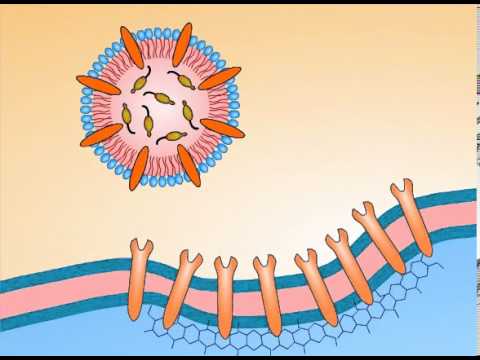
Complex bacteriophages use a syringe-like motion to inject their genetic material into the cell. After making contact with the appropriate receptor, the tail fibers bring the base plate closer to the surface of the cell. Once attached completely, the tail contracts, possibly with the help of ATP present in the tail (Prescott, 1993), injecting genetic material through the bacterial membrane.


Synthesis of proteins and nucleic acid

Within minutes, bacterial ribosomes start translating viral mRNA into protein. For RNA-based phages, RNA replicase is synthesized early in the process. Proteins modify the bacterial RNA polymerase so that it preferentially transcribes viral mRNA. The host’s normal synthesis of proteins and nucleic acids is disrupted, and it is forced to manufacture viral products instead. These products go on to become part of new virions within the cell, helper proteins which help assemble the new virions, or proteins involved in cell lysis. Walter Fiers (University of Ghent, Belgium) was the first to establish the complete nucleotide sequence of a gene (1972) and of the viral genome of Bacteriophage MS2 (1976).

Virion assembly


In the case of the T4 phage, the construction of new virus particles involves the assistance of helper proteins. The base plates are assembled first, with the tails being built upon them afterwards. The head capsids, constructed separately, will spontaneously assemble with the tails. The DNA is packed efficiently within the heads. The whole process takes about 15 minutes.

Release of virions

Phages may be released via cell lysis or by host cell secretion. In the case of the T4 phage, in just over twenty minutes after injection upwards of three hundred phages will be released via lysis within a certain timescale. This is achieved by an enzyme called endolysin which attacks and breaks down the peptidoglycan. In contrast, "lysogenic" phages do not kill the host but rather become long-term parasites and make the host cell continually secrete more new virus particles. The new virions bud off the plasma membrane, taking a portion of it with them to become enveloped viruses possessing a viral envelope. All released virions are capable of infecting a new bacterium.

Phage therapy
Phages were discovered to be anti-bacterial agents and put to use as such soon after they were discovered, with varying success. However, antibiotics were discovered some years later and marketed widely, popular because of their broad spectrum; also easier to manufacture in bulk, store and prescribe. Hence development of phage therapy was largely abandoned in the West, but continued throughout 1940s in the former Soviet Union for treating bacterial infections, with widespread use including the soldiers in the Red Army - much of the literature being in Russian or Georgian, and unavailable for many years in the West. This has continued after the war, with widespread use continuing in Georgia and elsewhere in Eastern Europe. There is much anecdotal evidence and case studies; There have also been clinical trials in Poland,

Bacteriophage in the environment

Some time ago it was detected that phages are much more abundant in the water column of freshwater and marine habitats than previously thought and that they can cause significant mortality of bacterioplankton. Methods in phage community ecology have been developed to assess phage-induced mortality of bacterioplankton and its role for food web process and biogeochemical cycles, to genetically fingerprint phage communities or populations and estimate viral biodiversity by metagenomics. The release of lysis products by phages converts organic carbon from particulate (cells) to dissolved forms (lysis products), which makes organic carbon more bio-available and thus acts as a catalyst of geochemical nutrient cycles. Phages are not only the most abundant biological entities but probably also the most diverse ones. The majority of the sequence data obtained from phage communities has no equivalent in data bases. These data and other detailed analyses indicate that phage-specific genes and ecological traits are much more frequent than previously thought. In order to reveal the meaning of this genetic and ecological versatility, studies have to be performed with communities and at spatiotemporal scales relevant for microorganisms.

Bacteriophages and food fermentation


A broad number of food products, commodity chemicals, and biotechnology products are manufactured industrially by large-scale bacterial fermentation of various organic substrates. Because enormous amounts of bacteria are being cultivated each day in large fermentation vats, the risk that bacteriophage contamination rapidly brings fermentations to a halt and cause economical setbacks is a serious threat in these industries. The relationship between bacteriophages and their bacterial hosts is very important in the context of the food fermentation industry. Sources of phage contamination, measures to control their propagation and dissemination, and biotechnological defense strategies developed to restrain phages are of interest. The dairy fermentation industry has openly acknowledged the problem of phage and has been working with academia and starter culture companies to develop defense strategies and systems to curtail the propagation and evolution of phages for decades.

Other areas of use


In August, 2006 the United States Food and Drug Administration (FDA) approved using bacteriophages on certain meats to kill the Listeria monocytogenes bacteria, giving them GRAS status (Generally Recognized As Safe). Government agencies in the West have for several years been looking to Georgia and the Former Soviet Union for help with exploiting phages for counteracting bioweapons and toxins e.g. Anthrax, Botulism. There are many developments with this amongst research groups in the US. Other uses include spray application in horticulture for protecting plants and vegetable produce from decay and the spread of bacterial disease. Other applications for bacteriophages are as a biocide for environmental surfaces e.g. hospitals - and as a preventative treatment for catheters and medical devices prior to use in clinical settings. The technology now exists for phages to be applied to dry surfaces e.g. uniforms, curtains - even sutures for surgery. Clinical trials reported in the Lancet show success in veterinary treatment of pet dogs with otitis. Phage display is a different use of phages. It is a powerful yet simple technique involving a library of phages. Each one has a slightly different peptide display. You can scan through the library to find a specific peptide that has a desired property - for example one that binds very tightly to Botulism toxin to neutralize it. Potentially it can then be used as a therapy.

Another use of bacteriophages is by the company Cambrios Technologies. Its founder, Dr. Angela Belcher, pioneered the use of the M13 bacteriophage to create nanowires and electrodes. One of her trials consisted of implanting gold and cobalt oxide in a bacteriophage to create a paper-thin electrode. The gold was for conductivity. The cobalt oxide was for the actual use of the battery
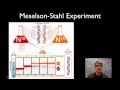
Lysogenic cycle Animation

Lysogenic cycle, or lysogeny, is one of the two alternative life cycles of a virus inside a host cell, whereby the virus that has infected a cell attaches itself to the host DNA and, acting like an inert segment of the DNA, replicates when the host cell divides. This method of replication is contrasted with the lytic cycle, whereby the virus that has entered a cell takes over the cell's replication mechanism, makes viral DNA and viral proteins, and then lyses (breaks open) the cell, allowing the newly produced viruses to leave the now disintegrated host cell to infect other cells. While the lysogenic cycle causes no harm to the host cell, an induction event, such as exposure to ultraviolet light, can cause this latent stage to enter the lytic cycle.


The lysogenic cycle is one strategy for replication of the virus without destruction of the host. The discovery of this cycle has important medical implications. Sometimes expression of the genes of a lysogenic bacteriophage can alter the phenotype of the host bacteria. This phenomenon, called lysogenic conversion, can have medical significance for humans. For example, the bacteria that causes diptheria, Corynebacterium diphtheriae, is harmless to humans unless it is infected by the phage β. Then the genes of the incorporated DNA of the bacteriophage induce the host bacteria to produce toxins.

Receptor-Mediated Endocytosis Animation

Receptor-mediated endocytosis (RME), also called clathrin-dependent endocytosis, is a process by which cells internalize molecules (endocytosis) by the inward budding of plasma membrane vesicles containing proteins with receptor sites specific to the molecules being internalized.

Process

After the binding of a ligand to plasma membrane-spanning receptors, a signal is sent through the membrane, leading to membrane coating, and formation of a membrane invagination. The receptor and its ligand are then opsonized in clathrin-coated vesicles. Once opsonized, the clathrin-coated vesicle uncoats (a pre-requisite for the vesicle to fuse with other membranes) and individual vesicles fuse to form the early endosome. Since the receptor is internalized with the ligand, the system is saturable and uptake will decline until receptors are recycled to the surface. Common for biology.


Function

The function of receptor-mediated endocytosis is diverse. It is widely used for the specific uptake of certain substances required by the cell (examples include LDL via the LDL receptor or iron via transferrin). The role of receptor-mediated endocytosis is also well recognized in the downregulation of transmembrane signal transduction. The activated receptor becomes internalised and is transported to late endosomes and lysosomes for degradation. However, receptor-mediated endocytosis is also actively implicated in transducing signals from the cell periphery to the nucleus. This became apparent when it was found that the association and formation of specific signaling complexes is required for the effective signaling of hormones (e.g. EGF). Additionally it has been proposed that the directed transport of active signaling complexes to the nucleus might be required to enable signaling as random diffusion is too slow and mechanisms permanently downregulating incoming signals are strong enough to shutdown signaling completely without additional signals transducing mechanisms.

What is Exocytotic Transport

Exocytosis is the cellular process in which intracellular vesicles in the cytoplasm fuse with the plasma membrane and release or "secrete" their contents into the extracellular space. Exocytosis can be constitutive (occurring all the time) or regulated. Constitutive exocytosis is important in transporting proteins like receptors that function in the plasma membrane. Regulated exocytosis is triggered when a cell receives a signal from the outside.

Many of the products that cells secrete function specifically for the tissue type in which the cells reside or are transmitted to more distant parts of the body. Most of these products are proteins that have gone through rigorous quality control and modification processes in the endoplasmic reticulum and Golgi membranes. It is in the trans -Golgi network, the "downstream" end of the Golgi apparatus, where cellular products are sorted and accumulate in exocytic vesicles.


Mechanisms
The mechanisms controlling regulated exocytosis were largely discovered in the 1990s. Contrary to early ideas, membranes normally do not fuse together spontaneously. This is due to the negative charges associated with the phospholipids that make up the lipid bilayer of the membranes of vesicles and organelles .

Membrane fusion requires energy and the interaction of special "adaptor" molecules present on both the vesicle and plasma membrane. The adapter molecules are highly selective and only allow vesicles to fuse with membranes of particular organelles, thus preventing harm to the cell. Once the appropriate adapter molecules bind to each other (docking), energy stored and released by ATP forms a fusion pore between the vesicle membranes and plasma membrane. The contents of the vesicle are released to the exterior of the cell (or the interior of an organelle) as the fusion pore widens. The vesicle ultimately becomes part of the plasma membrane or is recycled back to the cytoplasm.

Purpose of Exocytosis
Many cells in the body use exocytosis to release enzymes or other proteins that act in other areas of the body, or to release molecules that help cells communicate with one another. For instance, clusters of α-and β-cells in the islets of Langerhans in the pancreas secrete the hormones glucagon and insulin, respectively. These enzymes regulate glucose levels throughout the body. As the level of glucose rises in the blood, the β-cells are stimulated to produce and secrete more insulin by exocytosis. When insulin binds to liver or muscle, it stimulates uptake of glucose by those cells. Exocytosis from other cells in the pancreas also releases digestive enzymes into the gut.

Cells also communicate with each other more directly through the products that they secrete. For instance, a neuron cell relays an electrical pulse through the use of neurotransmitters . The neurotransmitters are stored in vesicles and lie next to the cytoplasmic face of the plasma membrane. When the appropriate signal is given, the vesicles holding the neurotransmitters must make contact with the plasma membrane and secrete their contents into the synaptic junction, the space between two neurons, for the other neuron to receive those neurotransmitters.

Components of the vesicle and extra neurotransmitter molecules are quickly taken up and recycled by the neuron to form new vesicles that are ready to send another pulse to an adjacent neuron. Neurons need to send many signals each second, which indicates how tight the controls are that regulate exocytosis.

The immune system also uses exocytosis to communicate information between cells. An immune cell can tell a virally infected cell that it must destroy itself to preserve other cells around it. A cell that is infected with a virus displays viral by-products on its surface, which is equivalent to the cell turning on red warning lights to attract immune cells.

Immune cells, such as the killer T cells that wander throughout the body, recognize the viral by-products and position themselves very close to the infected cell so that there is very little space between their plasma membranes. In a rapid succession, the killer T cells mobilize secretory vesicles filled with enzymes like perforin and granzyme B adjacent to the inner side of their plasma membranes. In response to a signal, the vesicles undergo exocytosis and release their contents. These enzymes then punch holes in the plasma membrane of the infected cell. This causes the cell to undergo self-destruction or apoptosis, also known as programmed cell death, to prevent further spread of the virus.

RNAi Transfection


RNA interference (RNAi) technology is revolutionizing the biological discovery process as well as target discovery and validation. Using RNAi, you can turn gene expression "off", or knock it down, to better understand its function and role in disease. High-efficiency transfection is an essential first step for achieving effective gene knockdown.

What is Somatic cell nuclear transfer(SCNT)


Somatic cell nuclear transfer (SCNT) is a laboratory technique for creating an ovum with a donor nucleus . It can be used in embryonic stem cell research, or in regenerative medicine where it is sometimes referred to as "therapeutic cloning." It can also be used as the first step in the process of reproductive cloning.

In SCNT the nucleus, which contains the organism's DNA, of a somatic cell (a body cell other than a sperm or egg cell) is removed and the rest of the cell discarded. At the same time, the nucleus of an egg cell is removed. The nucleus of the somatic cell is then inserted into the enucleated egg cell. After being inserted into the egg, the somatic cell nucleus is reprogrammed by the host cell. The egg, now containing the nucleus of a somatic cell, is stimulated with a shock and will begin to divide. After many mitotic divisions in culture, this single cell forms a blastocyst (an early stage embryo with about 100 cells) with almost identical DNA to the original organism.


Process
SCNT in stem cell research
Some researchers use SCNT in stem cell research. The aim of carrying out this procedure is to obtain stem cells that are genetically matched to the donor organism. Presently, no human stem cell lines have been derived from SCNT research.

Human Embryonic Stem cell colony on mouse embryonic fibroblast feeder layer.

A potential use of genetically-customized stem cells would be to create cell lines that have genes linked to the particular disease. For example, if a person with Parkinson's disease donated his or her somatic cells, then the stem cells resulting SCNT would have genes that contribute to Parkinson's disease. In this scenario, the disease-specific stem cell lines would be studied in order to better understand the disease.

In another scenario, genetically-customized stem cell lines would be generated for cell-based therapies to transplant to the patient. The resulting cells would be genetically identical to the somatic cell donor, thus avoiding any complications from immune system rejection.

Only a handful of the labs in the world are currently using SCNT techniques in human stem cell research. In the United States, scientists at the Harvard University Stem Cell Institute, the University of California San Francisco, and possibly Advanced Cell Technology are currently researching a technique to use somatic cell nuclear transfer to produce embryonic stem cells. In the United Kingdom, the Human Fertilisation and Embryology Authority has granted permission to research groups at the Roslin Institute and the Newcastle Centre for Life. SCNT may also be occurring in China.

In 2005, a South Korean research team led by Professor Hwang Woo-suk, published claims to have derived stem cell lines via SCNT, but supported those claims with fabricated data.Recent evidence has proved that he in fact created a stem cell line from a parthenote.

SCNT in reproductive cloning
This technique is currently the basis for cloning animals (such as the famous Dolly the sheep), and in theory could be used to clone humans. However, most researchers believe that in the foreseeable future it will not be possible to use this technique to produce a human clone that will develop to term.

How Embryonic Stem Cell Lines are Made

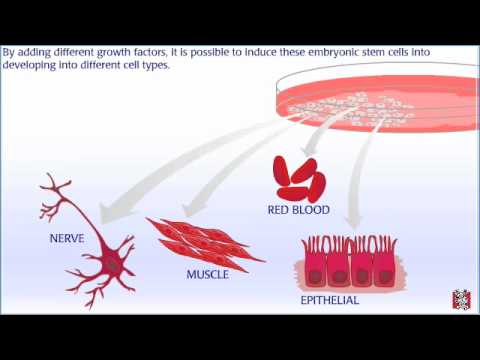
Embryonic stem cells are derived from blastocysts — embryos that are about a week old. At this stage, the blastocyst has about 100 cells. Human blastocysts like this have been donated to research from in vitro fertilization clinics. In order to get embryonic stem cell lines, scientists remove cells from the inner cell mass region. These cells have the potential to develop into any type of cell in the body. Once the cells are removed, they are placed on a culture plate with nutrients and growth factors. The blastocyst is destroyed in this process. An embryonic cell line is established when these cells multiply and divide. Under the right conditions, these cell lines can be maintained indefinitely. By adding different growth factors, it is possible to induce these embryonic stem cells into developing into different cell types. These cells could someday be used in therapies to replace damaged cells and organs.


Download Video

Ligand gated ion channels structure and function

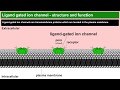
Ligand-gated ion channels (LGICs) are a group of transmembrane ion channel proteins which open to allow ions such as Na+, K+, Ca2+, or Cl- to pass through the membrane in response to the binding of a chemical messenger (i.e. a ligand),such as a neurotransmitter.


 These proteins are typically composed of at least two different domains: a transmembrane domain which includes the ion pore, and an extracellular domain which includes the ligand binding location (an allosteric binding site). This modularity has enabled a 'divide and conquer' approach to finding the structure of the proteins (crystallising each domain separately). The function of such receptors located at synapses is to convert the chemical signal of presynaptically released neurotransmitter directly and very quickly into a postsynaptic electrical signal. Many LGICs are additionally modulated by allosteric ligands, by channel blockers, ions, or the membrane potential. LGICs are classified into three superfamilies which lack evolutionary relationship: Cys-loop receptors, Ionotropic glutamate receptors and ATP-gated channels. LGICs can be contrasted with metabotropic receptors (which use second messengers), voltage-gated ion channels (which open and close depending on membrane potential), and stretch-activated ion channels (which open and close depending on mechanical deformation of the cell membrane)
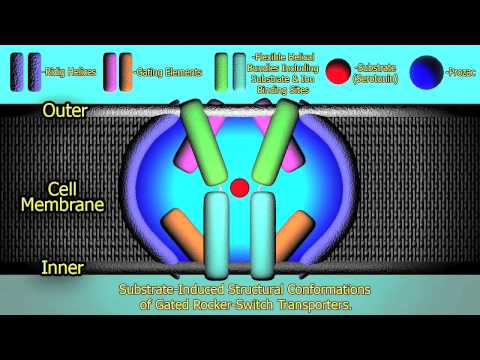
Prozac: Selective Serotonin Reuptake Inhibitor

This animation shows how Prozac® alleviates depression. It can also be used to illustrate in general how neuron cells communicate with each other and how a neurotransmitter sends a signal from one neuron to another.

Some people with depression have a shortage of serotonin, the "mood" neurotransmitter in the brain. The antidepressant Prozac®, a Selective Serotonin Reuptake Inhibitor (SSRI), can help correct this imbalance by increasing the brain's own supply of serotonin.


This animation shows how Prozac® acts as a selective inhibitor of Serotonin Reuptake Transporter Protein, thus alleviating depression. In the brain, serotonin is associated with transmission of thoughts and feelings. In a healthy person, an optimal concentration of serotonin is available at the synapse. The imbalance of this neurotransmitter triggers emotional symptoms, like depressed mood, or physical symptoms, like aches and pains.


The blue colored layers represent the trans-membrane structure of both pre- and post-synaptic areas (the upper and lower part of the screen, respectively). Red colored masses in the post-synaptic membrane represent serotonin receptors. There are other membrane proteins as well. Depression can occur when the serotonin transporter protein (a G-protein coupled receptor; shown in white in the pre-synaptic membrane) takes up a serotonin molecule before it has a chance to bind to the post-synaptic receptor. This process is known as reuptake. Prozac® blocks the reuptake of serotonin by disabling the transporter proteins. Consequently, more serotonin molecules will be available to the post-synaptic receptor and thus depression is relieved.

Muscle contraction Animation

A muscle contraction (also known as a muscle twitch or simply twitch) occurs when a muscle fiber generates tension through the action of actin and myosin cross-bridge cycling. While under tension, the muscle may lengthen, shorten or remain the same. Though the term 'contraction' implies a shortening or reduction, when used as a scientific term referring to the muscular system contraction refers to the generation of tension by muscle fibers with the help of motor neurons. Locomotion in most higher animals is possible only through the repeated contraction of many muscles at the correct times. Contraction is controlled by the central nervous system (CNS), which comprises the brain and spinal cord. Voluntary muscle contractions are initiated in the brain, while the spinal cord initiates involuntary reflexes.


Contractions, by muscle type
For voluntary muscles, contraction occurs as a result of conscious effort originating in the brain. The brain sends signals, in the form of action potentials, through the nervous system to the motor neuron that innervates the muscle fiber. In the case of some reflexes, the signal to contract can originate in the spinal cord through a feedback loop with the grey matter. Involuntary muscles such as the heart or smooth muscles in the gut and vascular system contract as a result of non-conscious brain activity or stimuli endogenous to the muscle itself. Other actions such as locomotion, breathing, chewing have a reflex aspect to them; the contractions can be initiated consciously or unconsciously, but are continued through unconscious reflex.

There are three general types of muscle tissues:
  • Skeletal muscle (voluntary and involuntary) contractions
  • Cardiac muscle (involuntary) contractions
  • Smooth muscle (involuntary) contractions.
Skeletal and cardiac muscles are called striated muscle because of their striped appearance under a microscope which is due to the highly organized alternating pattern of A band and I band.
While nerve impulse profiles are, for the most part, always the same, skeletal muscles are able to produce varying levels of contractile force. This phenomenon can be best explained by Force Summation. Force Summation describes the addition of individual twitch contractions to increase the intensity of overall muscle contraction. This can be achieved in two ways: (1) by increasing the number and size of contractile units simultaneously, called multiple fiber summation, and (2) by increasing the frequency at which action potentials are sent to muscle fibers, called frequency summation.
Multiple Fiber Summation – When a weak signal is sent by the CNS to contract a muscle, the smaller motor units, being more excitable than the larger ones, are stimulated first. As the strength of the signal increases, more motor units are excited in addition to larger ones, with the largest motor units having as much as 50 times the contractile strength as the smaller ones. As more and larger motor units are activated, the force of muscle contraction becomes progressively stronger. A concept known as the size principle allows for a gradation of muscle force during weak contraction to occur in small steps, which then become progressively larger when greater amounts of force are required.
Frequency Summation - For skeletal muscles, the force exerted by the muscle is controlled by varying the frequency at which action potentials are sent to muscle fibers. Action potentials do not arrive at muscles synchronously, and during a contraction some fraction of the fibers in the muscle will be firing at any given time. Typically when a human is exerting a muscle as hard as they are consciously able, roughly one-third of the fibers in that muscle will be firing at once, but various physiological and psychological factors (including Golgi tendon organs and Renshaw cells) can affect that. This 'low' level of contraction is a protective mechanism to prevent avulsion of the tendon - the force generated by a 100% contraction of all fibers is sufficient to damage the body.
Skeletal muscle contractions Skeletal muscles contract according to the sliding filament model:
  1. An action potential originating in the CNS reaches an alpha motor neuron, which then transmits an action potential down its own axon.
  2. The action potential activates voltage-dependent calcium channels on the axon, and calcium rushes in.
  3. Calcium causes vesicles containing the neurotransmitter acetylcholine to fuse with the plasma membrane, releasing acetylcholine into the synaptic cleft between the motor neuron terminal and the motor end plate of the skeletal muscle fiber.
  4. The acetylcholine diffuses across the synapse and binds to and activates nicotinic acetylcholine receptor on the motor end plate. Activation of the nicotinic receptor opens its intrinsic sodium/potassium channel, causing sodium to rush in and potassium to trickle out. Because the channel is more permeable to sodium, the muscle fiber membrane becomes more positively charged, triggering an action potential.
  5. The action potential spreads through the muscle fiber's network of T-tubules, depolarizing the inner portion of the muscle fiber.
  6. The depolarization activates L-type voltage-dependent calcium channels (dihydropyridine receptors) in the T tubule membrane, which are in close proximity to calcium-release channels (ryanodine receptors) in the adjacent sarcoplasmic reticulum.
  7. Activated voltage-gated calcium channels physically interact with calcium-release channels to activate them, causing the sarcoplasmic reticulum to release calcium.
  8. The calcium binds to the troponin C present on the actin-containing thin filaments of the myofibrils. The troponin then allosterically modulates the tropomyosin. Normally the tropomyosin sterically obstructs binding sites for myosin on the thin filament; once calcium binds to the troponin C and causes an allosteric change in the troponin protein, troponin T allows tropomyosin to move, unblocking the binding sites.
  9. Myosin (which has ADP and inorganic phosphate bound to its nucleotide binding pocket and is in a ready state) binds to the newly uncovered binding sites on the thin filament (binding to the thin filament is very tightly coupled to the release of inorganic phosphate). Myosin is now bound to actin in the strong binding state. The release of ADP and inorganic phosphate are tightly coupled to the power stroke (actin acts as a cofactor in the release of inorganic phosphate, expediting the release). This will pull the Z-bands towards each other, thus shortening the sarcomere and the I-band.
  10. ATP binds myosin, allowing it to release actin and be in the weak binding state (a lack of ATP makes this step impossible, resulting in the rigor state characteristic of rigor mortis). The myosin then hydrolyzes the ATP and uses the energy to move into the "cocked back" conformation. In general, evidence (predicted and in vivo) indicates that each skeletal muscle myosin head moves 10-12 nm each power stroke, however there is also evidence (in vitro) of variations (smaller and larger) that appear specific to the myosin isoform.
  11. Steps 9 and 10 repeat as long as ATP is available and calcium is present on thin filament.
  12. While the above steps are occurring, calcium is actively pumped back into the sarcoplasmic reticulum. When calcium is no longer present on the thin filament, the tropomyosin changes conformation back to its previous state so as to block the binding sites again. The myosin ceases binding to the thin filament, and the contractions cease.
The calcium ions leave the troponin molecule in order to maintain the calcium ion concentration in the sarcoplasm. The active pumping of calcium ions into the sarcoplasmic reticulum creates a deficiency in the fluid around the myofibrils. This causes the removal of calcium ions from the troponin. Thus the tropomyosin-troponin complex again covers the binding sites on the actin filaments and contraction ceases. Contractions Concentric contraction
A concentric contraction is a type of muscle contraction in which the muscles shorten while generating force.
During a concentric contraction, a muscle is stimulated to contract according to the sliding filament mechanism. This occurs throughout the length of the muscle, generating force at the musculo-tendinous junction, causing the muscle to shorten and changing the angle of the joint. In relation to the elbow, a concentric contraction of the biceps would cause the arm to bend at the elbow and hand to move from near to the leg, to close to the shoulder (a biceps curl). A concentric contraction of the triceps would change the angle of the joint in the opposite direction, straightening the arm and moving the hand towards the leg.
Eccentric contraction
During an eccentric contraction, the muscle elongates while under tension due to an opposing force being greater than the force generated by the muscle. Rather than working to pull a joint in the direction of the muscle contraction, the muscle acts to decelerate the joint at the end of a movement or otherwise control the repositioning of a load. This can occur involuntarily (when attempting to move a weight too heavy for the muscle to lift) or voluntarily (when the muscle is 'smoothing out' a movement). Over the short-term, strength training involving both eccentric and concentric contractions appear to increase muscular strength more than training with concentric contractions alone.
During an eccentric contraction of the biceps muscle, the elbow starts the movement while bent and then straightens as the hand moves away from the shoulder. During an eccentric contraction of the triceps muscle, the elbow starts the movement straight and then bends as the hand moves towards the shoulder. Desmin, titin, and other z-line proteins are involved in eccentric contractions, but their mechanism is poorly understood in comparison to cross-bridge cycling in concentric contractions.
Muscles undergoing heavy eccentric loading suffer greater damage when overloaded (such as during muscle building or strength training exercise) as compared to concentric loading. When eccentric contractions are used in weight training they are normally called "negatives". During a concentric contraction muscle fibers slide across each other pulling the Z-lines together. During an eccentric contraction, the filaments slide past each other the opposite way, though the actual movement of the myosin heads during an eccentric contraction is not known. Exercise featuring a heavy eccentric load can actually support a greater weight (muscles are approximately 10% stronger during eccentric contractions than during concentric contractions) and also results in greater muscular damage and delayed onset muscle soreness one to two days after training. Exercise that incorporates both eccentric and concentric muscular contractions (i.e. involving a strong contraction and a controlled lowering of the weight) can produce greater gains in strength than concentric contractions alone. The caveat for this is that heavy eccentric contractions can easily lead to over-training since they are so demanding.
Eccentric contractions in movement
Eccentric contractions normally occur as a braking force in opposition to a concentric contraction to protect joints from damage. During virtually any routine movement, eccentric contractions assist in keeping motions smooth, but can also slow rapid movements such as a punch or throw. Part of training for rapid movements such as pitching during baseball involves reducing eccentric braking allowing a greater power to be developed throughout the movement.
Eccentric contractions are being researched for their ability to speed rehab of weak or injured tendons. Achilles tendinitis has been shown to benefit from high load eccentric contractions.
Isometric contraction
An isometric contraction of a muscle generates force without changing length. An example can be found in the muscles of the hand and forearm grip an object; the joints of the hand do not move but muscles generate sufficient force to prevent the object from being dropped.

Proliferation of T cell by IL-10


Human IL-10 has been reported previously to inhibit the secretion of IFN-gamma in PBMC. In this study, we have found that human IL-10 inhibits T cell proliferation to either mitogen or anti-CD3 mAb in the presence of accessory cells. Inhibited T cell growth by IL-10 was associated with reduced production of IFN-gamma and IL-2. Studies of T cell subset inhibition by human IL-10 showed that CD4+, CD8+, CD45RA high, and CD45RA low cells are all growth inhibited to a similar degree. Dose response experiments demonstrated that IL-10 inhibits secretion of IFN-gamma more readily than T cell proliferation to mitogen. In addition, IL-2 and IL-4 added exogenously to IL-10 suppressed T cell cultures reversed completely the inhibition of T cell proliferation, but had little or no effect on inhibition of IFN-gamma production. Thus, in addition to its previously reported biologic properties, IL-10 inhibits human T cell proliferation and IL-2 production in response to mitogen. Inhibition of IFN-gamma production by IL-10 appears to be independent of the cytokine effect of IL-2 production.


Insulin Signaling Pathway

The insulin transduction pathway is an important biochemical pathway beginning at the cellular level affecting homeostasis. This pathway is also influenced by fed versus fasting states, stress levels, and a variety of other hormones.

When carbohydrates are consumed, digested, and absorbed the pancreas senses the subsequent rise in blood glucose concentration and releases insulin to promote an uptake of glucose from the blood stream. When insulin binds on the cellular insulin receptor, it leads to a cascade of cellular processes that promote the usage or, in some cases, the storage of glucose in the cell. The effects of insulin vary depending on the tissue involved, e.g., insulin is most important in the uptake of glucose by muscle and adipose tissue.

This insulin signal transduction pathway is composed of trigger mechanisms (e.g., autophosphorylation mechanisms) that serve as signals throughout the cell. There is also a counter mechanism in the body to stop the secretion of insulin beyond a certain limit. Namely, those counter-regulatory mechanisms are glucagon and epinephrine. The process of the regulation of blood glucose (also known as glucose homeostasis) also exhibits oscillatory behavior.

On a pathological basis, this topic is crucial to understanding certain disorders in the body such as diabetes (type 1,2,3), hyperglycemia and hypoglycemia.


Insulin signal transduction pathway
The functioning of a signal transduction pathway is based on extra-cellular signaling that in turn creates a response which causes other subsequent responses, hence creating a chain reaction, or cascade. During the course of signaling, the cell uses each response for accomplishing some kind of a purpose along the way. Insulin secretion mechanism is a common example of signal transduction pathway mechanism.

Insulin is produced by the pancreas in a region called Islets of Langerhans. In the islets of Langerhans, there are beta-cells, which are responsible for production of insulin. Insulin is secreted as a response mechanism for counteracting the increasing excess amounts of glucose in the blood.

Glucose in the body increases after food consumption. This is primarily due to carbohydrate intake, but to much lesser degree protein intake ([1])([2]). Depending on the tissue type, the glucose enters the cell through facilitated or passive diffusion. In muscle and adipose tissue, glucose enters through GLUT 4 receptors via facilitated diffusion ([3]). In brain, kidney and retina, glucose enters passively. In the beta-cells of the pancreas, glucose enters through the GLUT 2 receptors (process described below).

Two aspects of this process are explained below: insulin secretion and insulin action on the cell.

Insulin secretion

The glucose that goes in the bloodstream after food consumption also enters the beta cells in the Islets of Langerhans in the pancreas. The glucose passively diffuses in the beta cell through a GLUT-2 vesicle. Inside the beta cell, the following process occurs:

Glucose gets converted to Glucose-6-Phosphate (G6P) through Glucokinase; and G6P is subsequently oxidized to form ATP. This process inhibits the ATP sensitive potassium ion channels of the cell causing the Potassium ion channel to close and not function anymore. The closure of the ATP-sensitive potassium channels causes depolarization of the cell membrane causing the cell membrane to stretch which causes the voltage-gated calcium channel on the membrane to open causing an influx of Ca2+ ions. This influx then stimulates fusion of the insulin vesicles (bubble like structure with insulin in them) to the cell membrane and secretion of insulin in the extracellular fluid outside the beta cell; thus making it enter the bloodstream.

Insulin action on the cell
After insulin enters the bloodstream, it is taken up by the cells, as glucose is the preferential fuel for human bodies. However, insulin does not directly go inside the cell in its original form. To activate the effects of insulin, it has to bind to an enzyme that activates its functions. Thus, the insulin binds to the α (alpha) subunit of the insulin receptor embedded in the cell membrane. The α-subunit acts as the insulin receptor and the insulin molecule acts as a ligand in an receptor-ligand complex.

This triggers the tyrosine kinase activity in the β-subunit that is attached to the α-subunit. The tyrosine kinase activity causes phosphorylation (activation) of the enzymes.

The 2 enzymes, Mitogen-activated Protein Kinase (MAP-Kinase) and Phosphatidylinositol-3-Kinase (PI-3K, Phosphoinositide 3-kinase) are responsible for expressing the mitogenic and metabolic actions of Insulin respectively.

The activation of MAP-Kinase leads to completion of mitogenic functions like cell growth and gene expression.

The activation of PI-3K leads to crucial metabolic functions such as synthesis of lipids, proteins and glycogen. It also leads to cell survival and cell proliferation. Most importantly, the PI-3K pathway is responsible for the distribution of glucose for important cell functions. The GLUT-4 vesicle (responsible for passive diffusion of glucose in cell) binds to the PI-3K after bringing glucose in the cell. The PI-3K isolates the GLUT-4 Vesicle from the glucose and sends the vesicle back to the cell membrane. The glucose that is isolated is then sent to the mitochondria to make ATP and excess glucose is stored in the cell as glycogen. [This process is also illustrated in Figure 1.1.2].[2]

Thus, insulin’s role is more of a promoter for the usage of glucose in the cells rather than neutralizing or counteracting it.


Wikipedia contributors. "Insulin signal transduction pathway and regulation of blood glucose." Wikipedia, The Free Encyclopedia. Wikipedia, The Free Encyclopedia, 15 Sep. 2015. Web. 25 Oct. 2015.

Induced Pluripotent stem (iPS ) Cells

Induced pluripotent stem cells, commonly abbreviated as iPS cells or iPSCs are a type of pluripotent stem cell artificially derived from a non-pluripotent cell, typically an adult somatic cell, by inducing a "forced" expression of specific genes.

Induced Pluripotent Stem Cells are similar to natural pluripotent stem cells, such as embryonic stem (ES) cells, in many respects, such as the expression of certain stem cell genes and proteins, chromatin methylation patterns, doubling time, embryoid body formation, teratoma formation, viable chimera formation, and potency and differentiability, but the full extent of their relation to natural pluripotent stem cells is still being assessed.


iPSCs were first produced in 2006 from mouse cells and in 2007 from human cells. This has been cited as an important advance in stem cell research, as it may allow researchers to obtain pluripotent stem cells, which are important in research and potentially have therapeutic uses, without the controversial use of embryos. They may also be less prone to immune rejection than embryonic stem cells because of the fact that they are derived entirely from the patient.

Depending on the methods used, reprogramming of adult cells to obtain iPSCs may pose significant risks that could limit its use in humans. For example, if viruses are used to genomically alter the cells, the expression of cancer-causing genes or oncogenes may potentially be triggered. In February 2008, in ground-breaking findings published in the journal Cell, scientists announced the discovery of a technique that could remove oncogenes after the induction of pluripotency, thereby increasing the potential use of iPS cells in human diseases[3]. In April 2009, Sheng Ding and colleagues in La Jolla, California, demonstrated that generation of iPS cells is possible without any genetic alteration of the adult cell: A repeated treatment of the cells with certain proteins channeled into the cells via poly-arginine anchors was sufficient to induce pluripotency. The acronym given for those iPSCs is piPSCs

TamiFlu

Tamiflu (oseltamivir phosphate) is an antiviral drug marketed by the Swiss pharmaceutical company Roche. It belongs to a group of drugs called neuraminidase inhibitors and can shorten the duration and lessen the severity of the type A and B strains of the flu, as well as bird flu.
How neuraminidase inhibitors works


Tamiflu targets a protein called neuraminidase that lives on the flu virus cells. This protein helps the flu virus break through the cell walls so it can move on to other cells and replicate itself. Tamiflu inhibits the neuraminidase protein, so that the virus can't leave the cell to infect other cells. Eventually, the virus dies.
How Tamiflu kills the virus

Tamiflu can't stop the flu entirely. However, studies have shown that if you take it within 48 hours of showing symptoms, it can shorten the duration of the flu (strains A and B). Patients with the flu who took it felt better 30 percent (or 1.3 days) faster than people who didn't take it . The drug also can help protect you from getting the flu if you're exposed to someone who has it. But Tamiflu can't prevent the spread of the disease, and it won't stop illnesses (like the common cold) that resemble the flu.

Sorafenib

Sorafenib (co-developed and co-marketed by Bayer and Onyx Pharmaceuticals as Nexavar),[1] is a drug approved for the treatment of primary kidney cancer (advanced renal cell carcinoma) and advanced primary liver cancer (hepatocellular carcinoma).


Sorafenib (a bi-aryl urea) is a small molecular inhibitor of several Tyrosine protein kinases (VEGFR and PDGFR) and Raf kinases (more avidly C-Raf than B-Raf).
(Protein kinases are overactive in many of the molecular pathways that cause cells to become cancerous. These pathways include Raf kinase, PDGF (platelet-derived growth factor), VEGF receptor 2 and 3 kinases and c Kit the receptor for Stem cell factor. )
Sorafenib is/was unique in targeting the Raf/Mek/Erk pathway (MAP Kinase pathway).
Sorafenib inhibits some intracellular serine/threonine kinases (e.g. C-Raf, wild-type B-Raf and mutant B-Raf).

Protein G B1 domain


The solution structure of the isolated fragments 1-20 (beta-hairpin), 21-40 (alpha-helix) and 41-56 (beta-hairpin), corresponding to all the secondary structure elements of the protein G B1 domain, have been studied by circular dichroism and nuclear magnetic resonance techniques. In the protein G B1-(1-20) fragment turn-like folded structures were detected in water though low populated. In the presence of 30% aqueous trifluoroethanol there is a complex conformational behaviour in which a helical structure at the N-terminal half is formed in equilibrium with random and native-like beta-hairpin structures. The peptide corresponding to the alpha-helix is predominantly unstructured in water, while in 30% trifluoroethanol it highly populates a native alpha-helical conformation, including a (i,i + 5) interaction between hydrophobic residues at its C-terminus. The third peptide was previously reported to form a monomeric native beta-hairpin structure in water . We show in this work that the beta-hairpin structure is further stabilized in 30% trifluoroethanol and destabilised in the presence of 6 M urea, though some folded structure persists even in these highly denaturing conditions. The conformational properties of these peptides suggests that the second beta-hairpin could be an important folding initiation site on which the rest of the chain folds. Reconstitution experiments failed to show evidence of interaction between the peptides. Algorithms designed to predict the helical and extended conformations of peptides in aqueous solution successfully describe the complicated behaviour of these peptides. Comparison of the predicted and the experimental results with those for a structurally related protein, ubiquitin, shows very strong similarities, the main difference being the switch of the most stable beta-hairpin from the N-terminus in ubiquitin to the C-terminus in protein G.

Mast cell Animation

A mast cell (or mastocyte) is a resident cell of several types of tissues and contains many granules rich in histamine and heparin. Although best known for their role in allergy and anaphylaxis, mast cells play an important protective role as well, being intimately involved in wound healing and defense against pathogens.


Bookmark and Share  Subscribe in a reader

Mast cells were first described by Paul Ehrlich in his 1878 doctoral thesis on the basis of their unique staining characteristics and large granules. These granules also led him to the mistaken belief that they existed to nourish the surrounding tissue, and he named them "mastzellen," a German term, meaning "feeding-cells." Nowadays, they are considered part of the immune system. Mast cells are very similar to basophil granulocytes (a class of white blood cells) in blood; the similarities between mast cells and basophils has led many to speculate that mast cells are basophils that have "homed in" on tissues. However, current evidence suggests that they are generated by different precursor cells in the bone marrow. Nevertheless, both mast cells and basophils are thought to originate from bone marrow precursors expressing the CD34 molecule. The basophil leaves the bone marrow already mature while the mast cell circulates in an immature form, only maturing once in a tissue site. The tissue site an immature mast cell chooses to settle in probably determines its precise characteristics.


Two types of mast cells are recognized, those from connective tissue and a distinct set of mucosal mast cells. The activities of the latter are dependent on T-cells.

Mast cells are present in most tissues in the vicinity of blood vessels, and are especially prominent near the boundaries between the outside world and the internal milieu, such as the skin, mucosa of the lungs and digestive tract, as well as in the mouth, conjunctiva and nose.


Physiology
Mast cells play a key role in the inflammatory process. When activated, a mast cell rapidly releases its characteristic granules and various hormonal mediators into the interstitium. Mast cells can be stimulated to degranulate by direct injury (e.g physical or chemical), cross-linking of IgE receptors, or by activated complement proteins.

Mast cells express a high-affinity receptor (FcεRI) for the Fc region of Immunoglobulin E (IgE), the least-abundant member of the antibodies. This receptor is of such high affinity that binding of IgE molecules is essentially irreversible. As a result, mast cells are coated with IgE. IgE is produced by B-cells (the antibody-producing cells of the immune system). IgE molecules, like all antibodies, are specific to one particular antigen.

In allergic reactions, mast cells remain inactive until an allergen binds to IgE already in association with the cell (see above). Allergens are generally proteins or polysaccharides. The allergen binds to the Fab part of the IgE molecules on the mast cell surface. It appears that binding of two or more IgE molecules (this is called crosslinking) is required to activate the mast cell; the steric changes lead to a slight disturbance to the cell membrane structure, causing a complex sequence of reactions inside the cell that lead to its activation. Although this reaction is most well understood in terms of allergy, it appears to have evolved as a defense system against intestinal worm infestations (tapeworms, etc).

The molecules thus released into the intercellular environment include:

  • preformed mediators (from the granules):
  • histamine (2-5 pg/cell)
  • proteoglycans, mainly heparin (active as anticoagulant)
  • serine proteases
  • newly formed lipid mediators (eicosanoids):
  • prostaglandin D2
  • leukotriene C4
  • cytokines

Histamine dilates post capillary venules, activates the endothelium, and increases blood vessel permeability. This leads to local edema (swelling), warmth, redness, and the attraction of other inflammatory cells to the site of release. It also irritates nerve endings (leading to itching or pain). Cutaneous signs of histamine release are the "flare and wheal"-reaction. The bump and redness immediately following a mosquito bite are a good example of this reaction, which occurs seconds after challenge of the mast cell by an allergen.

The other physiologic activities of mast cells are much less well-understood. Several lines of evidence suggest that mast cells may have a fairly fundamental role in innate immunity -- they are capable of elaborating a vast array of important cytokines and other inflammatory mediators, they express multiple "pattern recognition receptors" thought to be involved in recognizing broad classes of pathogens, and mice without mast cells seem to be much more susceptible to a variety of infections.

50-year quest to replace warfarin: Nature Video


Malaria lifecycle